How to Increase Revenue in a Barbershop in 2026
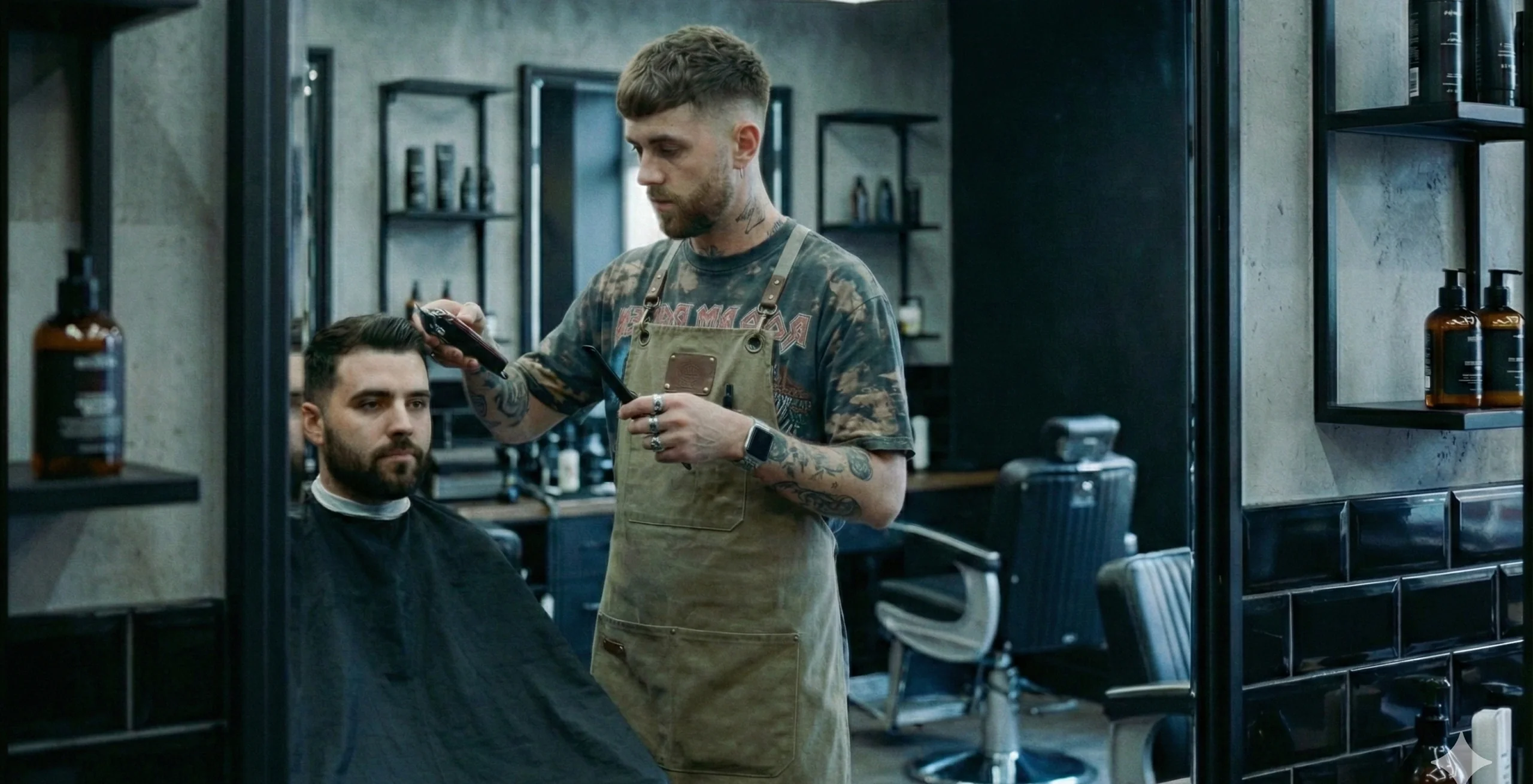
A chair in a busy barbershop can bring in €3,500 to €5,000 a month at full capacity. The thing is, very few barbershops run at full capacity. If five clients a week don't show up, that's €500 you didn't earn. €6,000 a year sitting on the table.
The five tactics below don't touch your prices. You don't raise the ceiling, you don't hire more barbers, you don't work longer hours. They solve a different problem: how to get more out of one visit from a regular, and how to turn first-timers into regulars.
Why a barbershop leaves money on the table
Three reasons, in 90% of the shops we see:
1. They sell nothing but the cut. The cut is the headline service. But beard oil, styling pastes, "cut + treatment" bundles, gift cards — these all sit alongside it as chances to add 20–40% to the average ticket. They also make the visit feel like more. Most barbershops don't offer any of it, or don't have a system that offers it on their behalf at the booking step.
2. No-shows eat into revenue. The average barbershop runs at 12–15% no-shows per month. At a chair doing 10–12 cuts a day, that's one or two cuts a day worth €20–60 — every day. Per chair, per month, that's €400–€1,200 of revenue you can see disappear.
3. Clients come back randomly. A cut and a beard tidy is a 3–4 week loop. If you don't have a way to put your next appointment on the client's calendar automatically — reminders, loyalty progress, a subscription — they forget, they hunt for a slot at the last minute, they find a new barber nearby, and you lose them permanently. Acquiring a new client costs 7× more than keeping an existing one.
Two strategies for growth
There are two paths. The first is a steady supply of new clients to push you to 90–100% capacity. The second is to raise the average revenue per visit. We'll focus on the second.
The point worth holding onto: clients who like coming to you happily spend more with you, because you've already built the trust. They'd often buy things on their own — they just don't know you offer them. In 2026, you can wire all of this once and let it run.
The five steps below are setup-once-and-forget. Configure them and they keep working.
5 practical tactics
Tactic 1: Sell gift cards
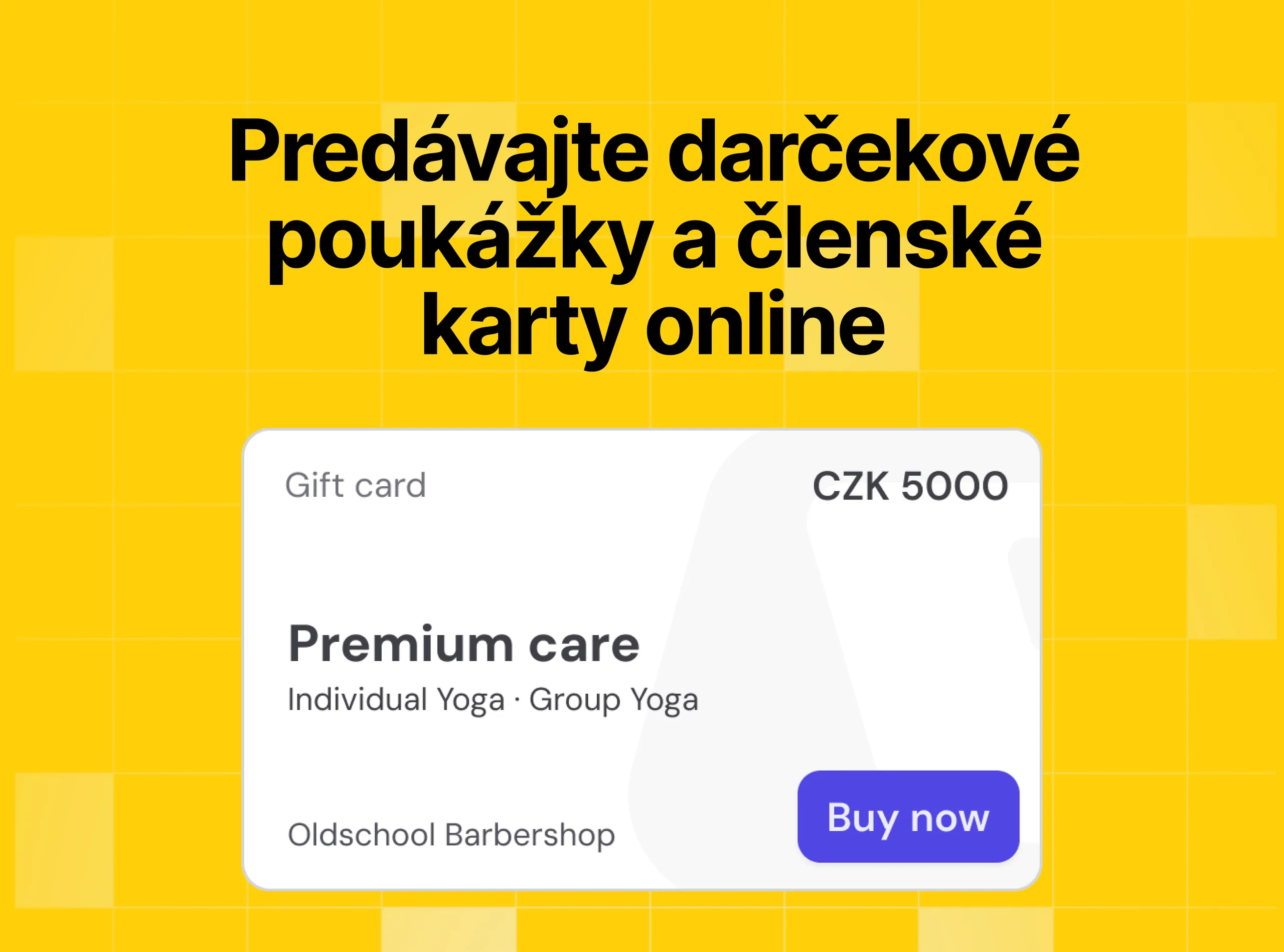
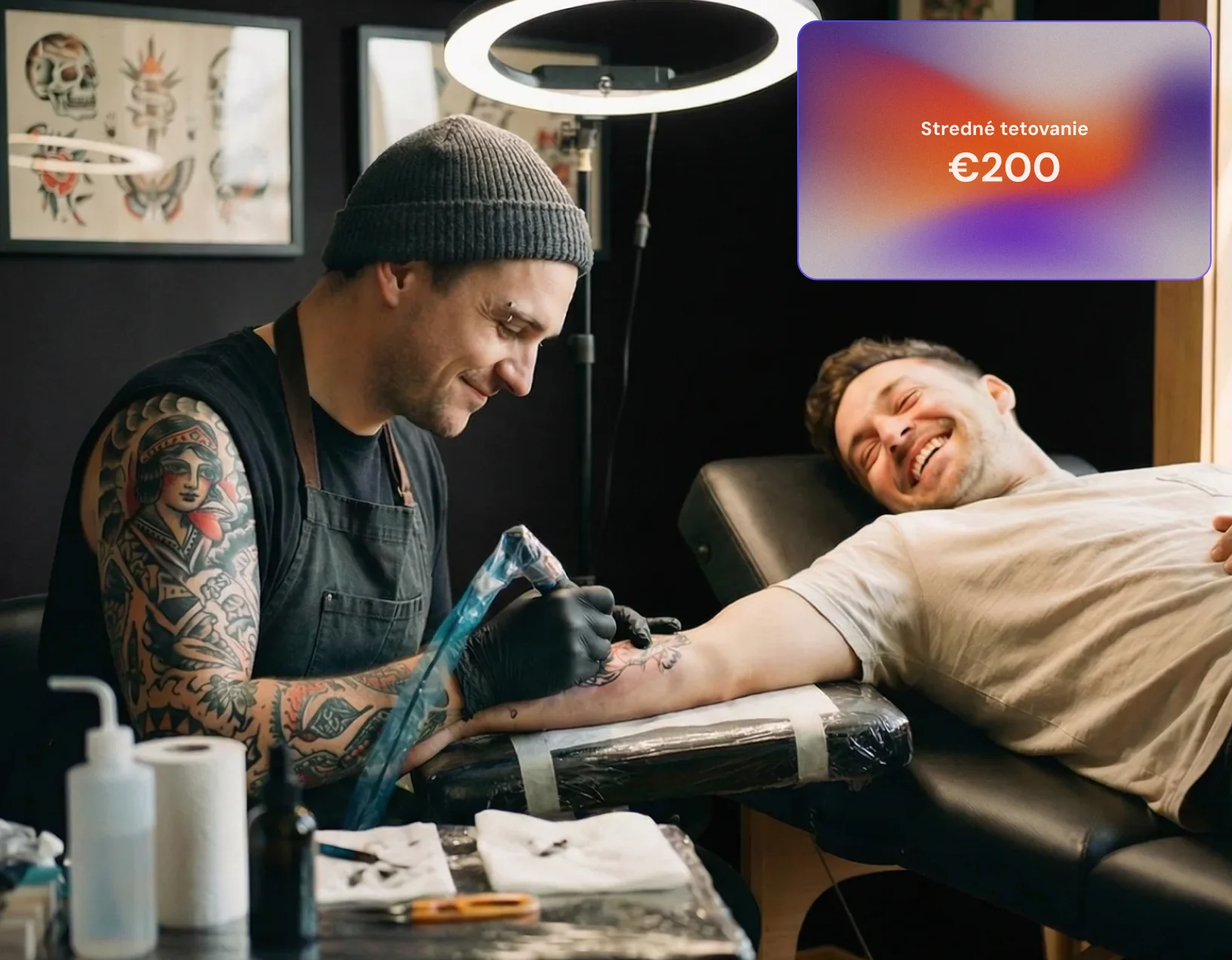
A gift card is one of the cleanest ways to add revenue. The client pays today, redeems the service later. Or doesn't redeem it at all. In our data, around 30% of gift cards are never used. That's 30% of revenue you booked without cutting any hair. It's about as close to legally earning money for "nothing" as any business gets.
The second benefit: gift cards bring in new clients. A regular buys a card for a friend who's never been to your shop. The friend redeems it. If they're happy, they come back (and we'll show you how to make sure they want to). You acquired a new long-term client at the cost of a card someone already paid for.
Why it works: at a typical barbershop with 200 active clients, gift cards add €500–€1,500 a month in revenue (with €150–€450 of that being pure profit from unredeemed cards).
👉 In Meety you can launch gift card sales in 5 minutes → /en/tutorials/gift-cards
Quick tip: don't price gift cards at low round numbers (€10). Anchor them at your most popular service price (e.g., €35 = cut + beard) or at a clean "gift-feel" round number (€30, €50).
Tactic 2: Introduce memberships or visit packs
A client who pays €20 a month for a single cut can leave you for the competition the next time their schedule shifts. A client with a 12-cut membership for €200 is locked in for a year. You have the client and the cash up front; they get a discount on a service they're going to use anyway. Both sides win.
A membership solves three things at once: predictable cash flow (money up front), retention (the client has committed to coming back), and higher average visit frequency (I bought 12, I'm coming 12 times, not 8 times like I would if I were paying per visit and occasionally missed booking).
Why it works for a barbershop: the cut + beard cycle is 3–4 weeks. A 12-visit pack covers a year. That's 12 guaranteed visits from a client who might otherwise drift to a competitor.
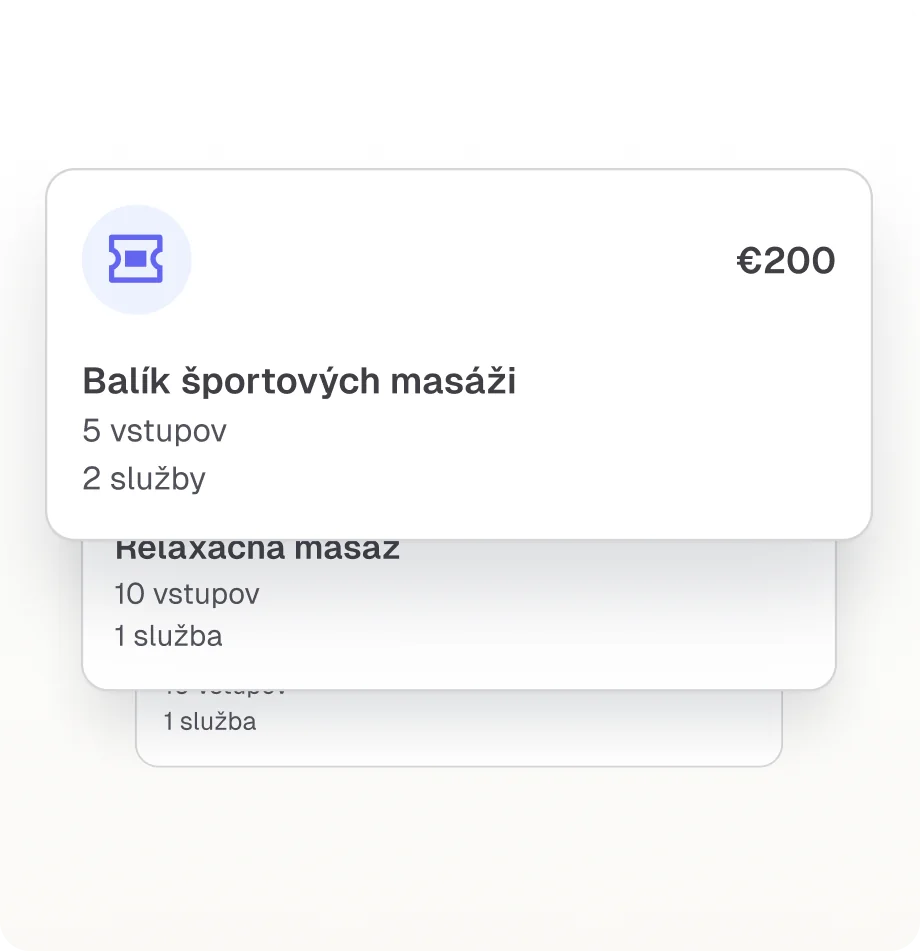
👉 In Meety you can configure memberships straight from your service settings → /en/tutorials/membership-cards
Common mistake: memberships kept in a notebook, a spreadsheet, or "in your head". The client doesn't know how many visits they have left. You don't see when the pack expires. At the chair, you waste time hunting through records, and the client walks away feeling like the system isn't on their side. A membership that isn't wired into your booking system becomes admin overhead within a few months — and on their next visit, the client books with someone else. In Meety, the membership balance is deducted automatically with each booking, the client sees how many visits remain in the app, and you get an alert before expiry.
Tactic 3: Require a deposit at booking
No-shows aren't bad luck. They're a direct result of the client having nothing to lose. They book, they don't come, they lose nothing. You lose. And that hour is gone for good — there's no way to refill it after the fact. You have to spend it on something that doesn't generate revenue.
A deposit shifts the psychology. A client who paid 20% up front has a reason to show up, or at least to cancel in time. Our customers who introduced a deposit saw an 80% drop in no-shows. It's one toggle.
Recommended amount: 20–30% of the service price. On a €25 cut, that's €5–€7.50. Low enough that the client doesn't bolt, high enough that the booking carries real weight.
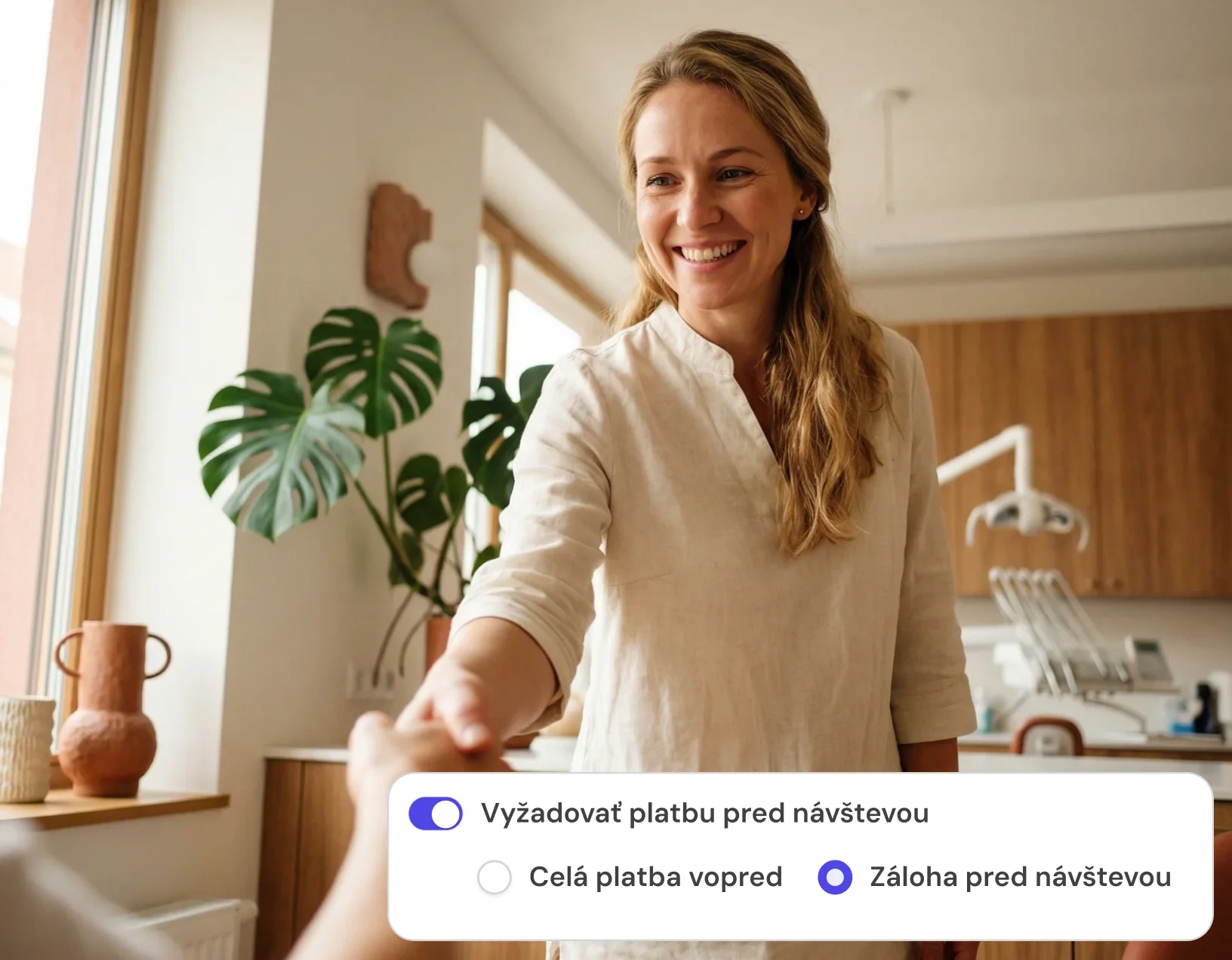
👉 In Meety you can require a deposit on specific services → /en/tutorials/online-payments
Common mistake: don't push the deposit above 50%. In our data, that knocks out 30% of clients who would otherwise have booked. 20% is the sweet spot between "the client doesn't flinch" and "the client is committed". For regulars, you can turn deposits off (Meety tracks history and handles this for you).
Tactic 4: A loyalty program with a concrete goal
Loyalty programs work especially well in barbershops. Clients show up on a regular cadence (every 3–4 weeks) and can feel themselves climbing toward a reward. At 8–12 visits, they hit the reward: a free 9th cut, a free beard balm, a discount on a membership.
What matters is that the reward is visible at booking time. A client who sees "3 more visits to your reward" has a real reason to keep their schedule with you instead of trying someone new.
Why it works: keeping a current client costs 7× less than acquiring a new one. A loyalty program lifts retention by 15–25% at almost no operating overhead — no physical cards, no rubber stamps, the client carries the card in their phone.
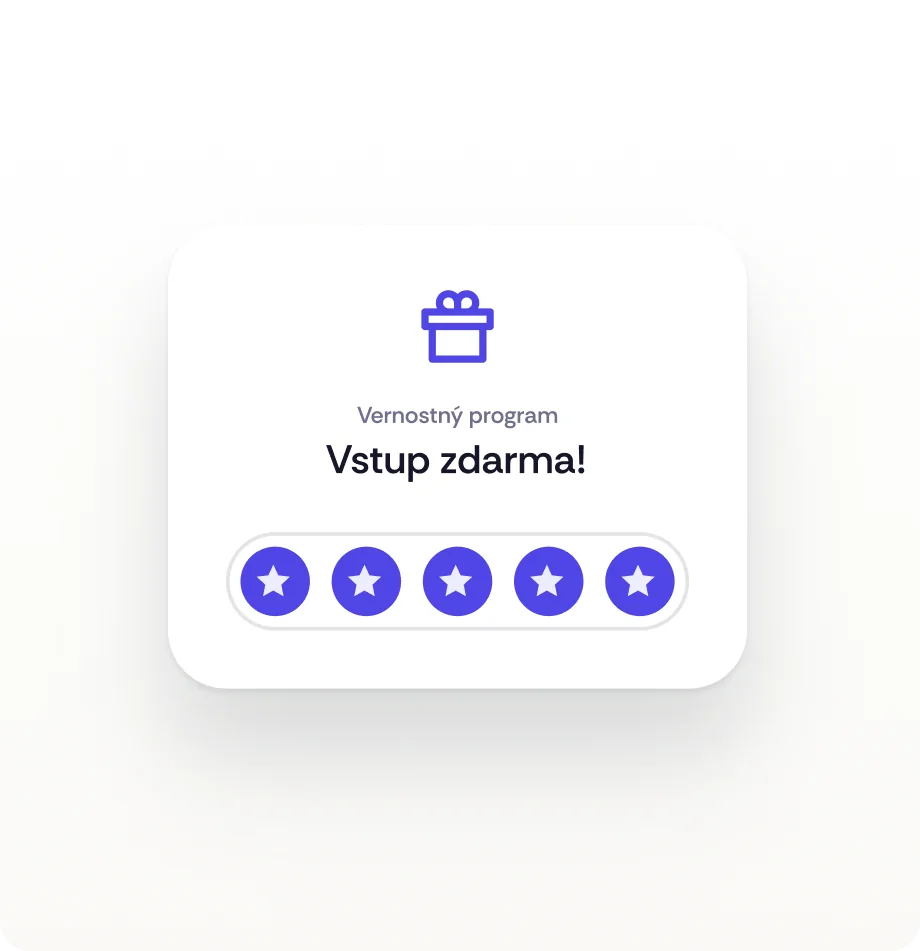
👉 In Meety you can launch a loyalty program in a few clicks and everything runs automatically: points earned, rewards assigned, redemption handled. → /en/tutorials/loyalty-program
Common mistake: the reward threshold is too far away. If "free cut" requires 20 visits, clients tune the program out. It's not in their field of view. 8–10 visits is the right interval for a barbershop.
Tactic 5: Add upsells and bundles at booking
A client booking a €18 cut sees a checkout prompt: "Add: beard treatment (+€5), take-home beard balm (+€12)." Some say yes. Our data shows upsell at booking lifts the average order value by 20–42%.
That means a €18 cut becomes €26 (cut + treatment) or €30 (cut + balm). At 200 visits a month, that's €1,600–€2,400 of additional revenue without adding a single new client.
Why it works: the client is in buying mode. The friction of adding €5–€12 is low. If they're paying cash on the way out for an €18 cut, buying a €12 balm doesn't feel worth it. When they're already paying by card at booking, a small addition isn't a decision.
👉 In Meety you can attach upsell services to any booking → /en/features/services-and-sales
Common mistake: too many upsell options at booking. Three variants is the right ceiling. Show a client 15, and they freeze and skip the upsell entirely.
Are you a barbershop owner and want to try this?
Meety is a booking system for barbers and barbershops. Every feature in this article — gift cards, memberships, deposits, loyalty programs, upsells — is built for the way barbershops actually work. Try it free at meety.so.
Common mistakes when rolling this out
-
All at once. Launching five new things in a week confuses your clients and you. Roll them out one by one, with 2–3 weeks between.
-
Not telling clients. If no one knows you sell gift cards or memberships, no one buys them. Post on social media, surface them on your booking page as a buyable item, put signs at the counter.
-
Discount too aggressive. With memberships and loyalty programs, start conservative (8–15% discount). You can always sweeten the deal later; pulling back after clients are used to a lower price is much harder.
-
Ignoring the numbers. At least once a month, look at: gift card sales, no-show rate, active loyalty members, average booking value. If a number isn't moving, the setup needs tuning.
When you'll see results
- Week 1–2: deposits kick in immediately. No-show rates drop on new bookings (existing ones aren't affected).
- Month 1: first gift card sales, especially around holidays (Valentine's, Christmas, birthdays).
- Months 2–3: loyalty program starts to land. Regulars show up more often.
- Months 2–6: memberships have brought in cash up front. Regulars are locked in for the next year.
FAQ
How much does an average barbershop earn?
A 3-chair shop at full occupancy does €10,500–€15,000 in monthly revenue, which at 40–60% margins is €4,200–€9,000 in net profit. Real-world many shops run at 60–70% occupancy, where the numbers are lower.
How should I set my haircut prices?
Look at your neighborhood. If competitors are at €15, you can be €17–€20 with a better experience (coffee, better chairs, longer time slots). Raise prices once every 12–18 months by 8–15%, not in big jumps. Use your service settings as your public anchor.
Are deposits worth it?
Yes, if your no-show rate is above 5%. At a 20% deposit, no-shows typically drop 70–80%. For regulars, you can disable the deposit. Meety can skip it automatically for repeat clients.
How do I sell gift cards effectively?
Best order:
- Online at booking. During the booking flow, the client sees the gift card option. This sells the most because they're already in buying mode.
- Social media. Instagram and Facebook with a pinned story highlight. In the week before Valentine's, Mother's Day, and Christmas, push frequency up.
- On location. Counter signs, mirror signs, a quick verbal reminder at the chair.
80% of gift card sales happen in about 4 weeks a year (holiday and gift seasons).
What kind of loyalty program works for a barbershop?
A point-based or "X visits = reward" model. After 9 visits, the 10th is free. The reward can be a percentage off, a free service, or a free add-on.
Closing
Growing barbershop revenue doesn't mean working more hours. It means getting more out of the clients you already have: selling them gift cards, locking them into memberships, protecting bookings with deposits, bringing them back with loyalty, adding services at the booking step.
Five moves, set up once, that keep working. Real impact: 20–35% revenue growth over 3 months, based on our data.
If you want to try these features, see what Meety for barbershops does, or build your free booking page in 20 minutes at meety.so.